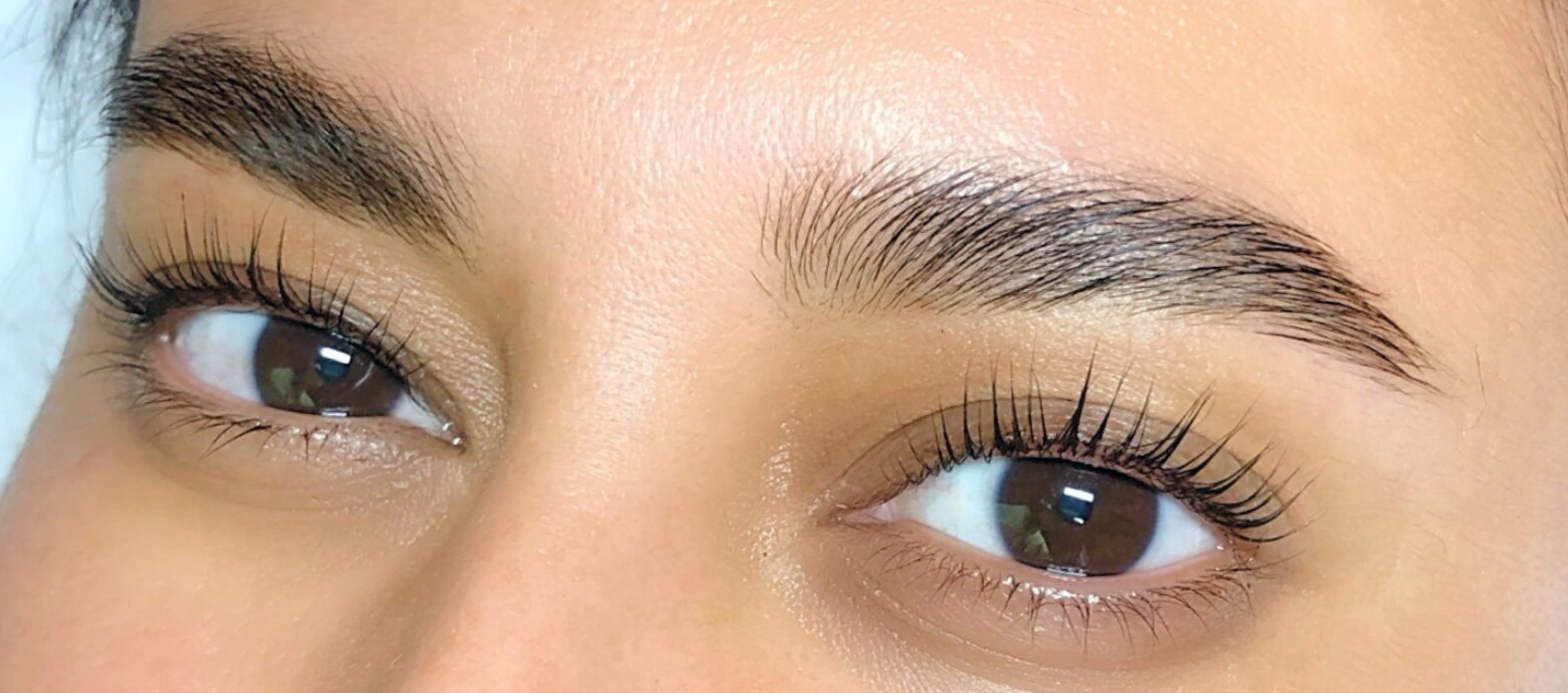
Dark circles are not one problem.
They are one of the most misunderstood concerns we see. Getting a real result starts with understanding what is actually causing yours, because the honest answer is that different types need different approaches.
Why dark circles are so tricky
Most people assume dark circles are a single thing to be erased. In reality, the term describes several different causes that often look similar but need very different approaches, and most people have a mix of more than one.
This is why so many products and treatments disappoint: they target one cause while ignoring the others. An honest assessment of what is actually creating the darkness under your eyes is the only way to know what will genuinely help. Broadly, there are four contributors.
The four causes of dark circles
Understanding which type or types you have is the whole game. Here is what is really going on, and where treatment can and cannot help.
Structural shadows
The most common and most misunderstood. With age, the bone of the eye socket naturally recedes and the fat that cushions the area is lost. As that support disappears, a hollow forms along the tear trough, and that hollow casts a shadow. The darkness is not pigment at all, it is a shadow, which is why it can look worse in overhead light and almost vanish in other lighting.
What helps: because this is a loss of volume, it responds best to a volume-based approach rather than skin treatment. We can talk through the right options at your consultation.
Vascular (blue or purple)
The under-eye skin is the thinnest on the body. When it is thin and translucent, the network of blood vessels underneath shows through, creating a bluish or purplish tint. This type often looks worse when you are tired, congested, or dehydrated.
What helps: thickening and strengthening the skin so vessels show through less. This is where under-eye resurfacing can genuinely make a difference.
Pigmentation (brown)
Excess melanin in the skin itself, appearing as brownish discoloration. It is often genetic, more common in deeper skin tones, and can be worsened by sun exposure or by rubbing and inflammation around the eyes.
What helps: this is a pigment concern rather than a skin-tightening one, and the delicate eye area needs a careful, tailored approach. We will guide you honestly on what is appropriate.
Thin, crepey skin
As collagen and elastin decline, the under-eye skin loses density and becomes crepey and fragile. This makes every other cause look worse, vessels show through more and shadows deepen, and it adds a tired, aged quality of its own.
What helps: rebuilding collagen to thicken and firm the skin. This is a core strength of under-eye resurfacing.
Under-eye Helix CO2: honest about what it does
Our Helix CO2 eyelid and under-eye skin tightening is one of the few treatments that can safely resurface the delicate under-eye area. It rebuilds collagen to thicken, firm, and smooth the skin, and here is the honest part: that directly improves the skin-quality and vascular types of dark circles, because stronger, thicker skin lets fewer vessels show through and looks less crepey and tired.
What it is not is a direct eraser of dark circles. If your darkness is mostly a shadow from a hollow, or mostly pigment, resurfacing alone will not remove it, and we will tell you that honestly. But because most people have a mix, and skin quality is almost always part of that mix, tightening and rejuvenating the under-eye skin very often makes a real, visible difference to how rested and bright the area looks.
The same treatment also works beautifully on the upper eyelids, tightening crepey, heavy lid skin. Because it is the same delicate-eye-area treatment, many people choose to do the upper lids and under-eye area together for a more complete, balanced, refreshed result around the whole eye. We will show you what makes sense for you at your consultation.
Book a Free ConsultationWhere under-eye resurfacing fits
To be completely clear about what our treatment does and does not address.
Vascular and thin, crepey skin. By rebuilding collagen and thickening the under-eye skin, resurfacing reduces how much the blood vessels show through and firms crepey texture, softening the tired, shadowed look and brightening the area.
Deep hollows and pure pigment. A shadow cast by a hollow is a volume issue, not a skin one, and true brown pigment needs a different, careful approach. We will be honest if either of these is your main cause and talk through the right path at your consultation.
Related concerns
The under-eye area is complex. If one of these is closer to your concern, we have a focused approach for it.
Under-Eye Bags
If your main concern is puffiness or bags rather than darkness, see how we approach it and when bags are structural.
Learn about under-eye bags →Eyelid & Under-Eye Skin Tightening
The full details on our Helix CO2 treatment for the delicate eye area, how it works and what to expect.
See the treatment →Eyelid Skin Tightening vs. Surgery
An honest comparison of laser and surgery for the eye area, including costs, downtime, and results.
Read the guide →Dark circles, answered
A simple check helps: gently stretch the skin under your eye. If the darkness fades, it is likely vascular or skin-quality related. If it stays, it is more likely pigment. If the area looks better in some lighting and worse in overhead light, that points to a shadow from a hollow. We do a proper assessment at your consultation, since most people are a mix.
Honestly, it depends on your type. Helix rebuilds and thickens the under-eye skin, which genuinely improves the vascular and skin-quality causes and brightens the overall look. It does not fill a hollow or remove true pigment, so if those are your main cause, it will help less. Because most people have a mix that includes skin quality, it very often makes a visible difference, and we will be upfront about what to expect for you.
That is a strong sign of the structural type. When the darkness is a shadow cast by a hollow along the tear trough, overhead lighting deepens the shadow and makes it look worse, while softer or front lighting can make it nearly disappear. True pigment, by contrast, looks about the same in any light.
Good skincare can help at the margins, brightening ingredients for pigment, hydration and peptides for skin quality, but it works only at the surface. It cannot rebuild collagen the way resurfacing does, and it cannot fill a hollow. Skincare is a helpful support, not a standalone fix for most dark circles.
Yes. The same Helix CO2 treatment that resurfaces the under-eye area also tightens crepey, heavy upper eyelid skin. Many people choose to treat the upper lids and under-eye area together, since it is the same delicate-area treatment and it gives a more complete, balanced result around the whole eye. We will talk through what fits your goals at your consultation.
In experienced hands, yes. The under-eye area is delicate and demands skill, which is exactly why who treats you matters. Helix CO2 can safely resurface this area when performed by a trained provider, addressing skin that many other devices cannot treat safely.
Find out what is really causing yours
Book a complimentary consultation. We will assess exactly what is behind your dark circles, tell you honestly what under-eye resurfacing can and cannot do for your type, and build a plan to brighten and rejuvenate the area.