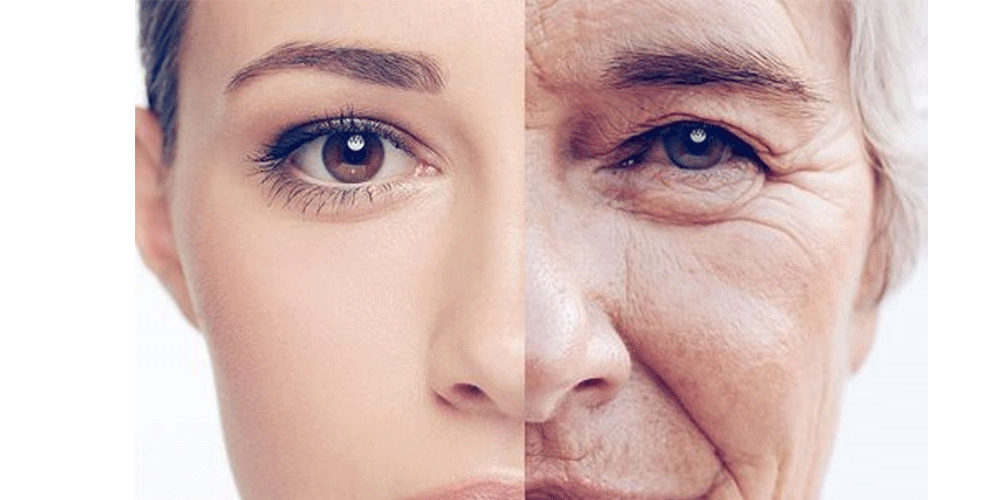
The foundation of youthful skin is collagen.
Collagen is the protein that keeps skin firm, smooth, and resilient, and the body makes less of it every year. The good news is that collagen is something we can stimulate. At Renew MedSpa, we rebuild it from within with treatments tailored to your skin and your goals.
Collagen is the most abundant protein in the body and makes up roughly a third of all the protein we have. In the skin, it forms long, strong fibers that act like scaffolding, keeping skin firm, supple, and able to renew itself. When collagen is plentiful, skin looks smooth and full. As it declines, skin gradually thins, loosens, and begins to line.
You cannot add collagen back with a cream. You can prompt your skin to build its own.
That distinction shapes everything we do. Rather than masking the surface, we focus on regenerative treatments that stimulate your skin to produce new collagen, which is why the results keep improving in the weeks and months after a treatment. Your free consultation is where we look at your skin and build the right plan for you.
What collagen is, and why it fades
What collagen does for skin
Collagen is a structural protein that connects and supports tissue throughout the body. In the skin it works alongside elastin to provide strength, structure, and the ability to bounce back. It also supports the ongoing renewal of skin cells, which is part of what keeps a younger complexion looking fresh and even.
When collagen is abundant, skin reads as firm, plump, and smooth. As it diminishes, the outer layer thins, the connection between skin layers weakens, and the surface can look thinner, paler, and less even.
What causes collagen loss
- Natural aging: collagen production steadily declines from our mid-20s onward.
- Sun exposure: ultraviolet light breaks down existing collagen and is the single biggest external cause.
- Smoking: tobacco use accelerates collagen breakdown and slows repair.
- Excess sugar: high sugar intake can damage collagen through a process called glycation.
- The visible result: reduced elasticity, thinner skin, more wrinkles, and early sagging.
What is actually happening to your collagen
of all the protein in your body is collagen, making it the most abundant protein you have and a true structural foundation for skin.
of your collagen is lost each year beginning in your mid-20s, which is why firmness fades so gradually you may not notice at first.
of visible facial aging is attributed to sun exposure, making daily sun protection the single most powerful way to preserve collagen.
Sources: peer-reviewed dermatology literature on collagen biology and photoaging.
Treatments that rebuild collagen
While a cream cannot replace lost collagen, the right treatments prompt your skin to produce new collagen of its own. These are the options we most often build into a collagen-rebuilding plan, layered to fit your skin and your goals.
Helix CO2 & 1570 Laser
Our cornerstone resurfacing treatment, combining CO2 and 1570nm wavelengths to rebuild deep collagen, smooth texture, and tighten skin.
Explore Helix CO2 →CoolPeel + PDGF
A gentler resurfacing option that stimulates regeneration and collagen with less downtime, enhanced with growth-factor support.
Explore CoolPeel →Sculptra
A collagen biostimulator that prompts your body to rebuild its own structural collagen gradually, restoring firmness and volume over months.
Explore Sculptra →Chemical Peels
Medical-grade peels boost cell turnover and stimulate collagen production while refreshing tone and texture, with options for every downtime level.
Explore Chemical Peels →Eyelid & Under-Eye Tightening
Gentle laser tightening that rebuilds collagen in the delicate skin around the eyes, where thinning and laxity tend to show first.
Explore Eye Tightening →Professional Skincare
Medical-grade products with vitamin C, retinoids, peptides, and daily SPF help preserve collagen and protect your results between treatments.
Explore Skincare →How collagen-building treatments work
Your skin rebuilds itself
Regenerative treatments work by creating controlled, microscopic micro-injuries in the skin. That sounds counterintuitive, but it is exactly what triggers your body’s natural repair response, the same process behind healthy wound healing.
In response, specialized cells called fibroblasts migrate to the area and begin producing large amounts of fresh collagen to rebuild the tissue. New blood vessels form to support healing, and the surface regenerates with newer, healthier cells.
Why results keep improving
Because this is a rebuilding process, the most noticeable results are not immediate. Some smoothing and tightening can be visible early, but new collagen continues to form for weeks and months afterward.
The more collagen your skin produces, the softer lines and wrinkles become and the more radiant and resilient your skin looks and feels. This is why a regenerative approach produces results that last, rather than simply sitting on the surface.
Clearing up some collagen myths
There is a lot of noise about collagen. Here is what the science actually supports.
Collagen creams replace lost collagen
Collagen molecules in a topical cream are too large to penetrate and rebuild the deep collagen in your skin. Good topicals protect and improve the surface, but rebuilding structural collagen takes treatments that actively stimulate your skin to make its own.
Collagen supplements are a guaranteed fix
A protein-rich diet and certain nutrients do support collagen production, and that is genuinely worthwhile. But eating or drinking collagen does not direct it to your face, and it is not a substitute for treatments that stimulate new collagen where you want it.
It is too late once collagen loss shows
It is rarely too late. Skin can build new collagen at any age, and meaningful improvement in firmness, texture, and tone is achievable well into later decades.
One treatment will rebuild everything
Collagen rebuilds gradually, so the best results usually come from a series or a layered plan over time rather than a single appointment. That is exactly what a personalized plan is for.
Before & after at Renew
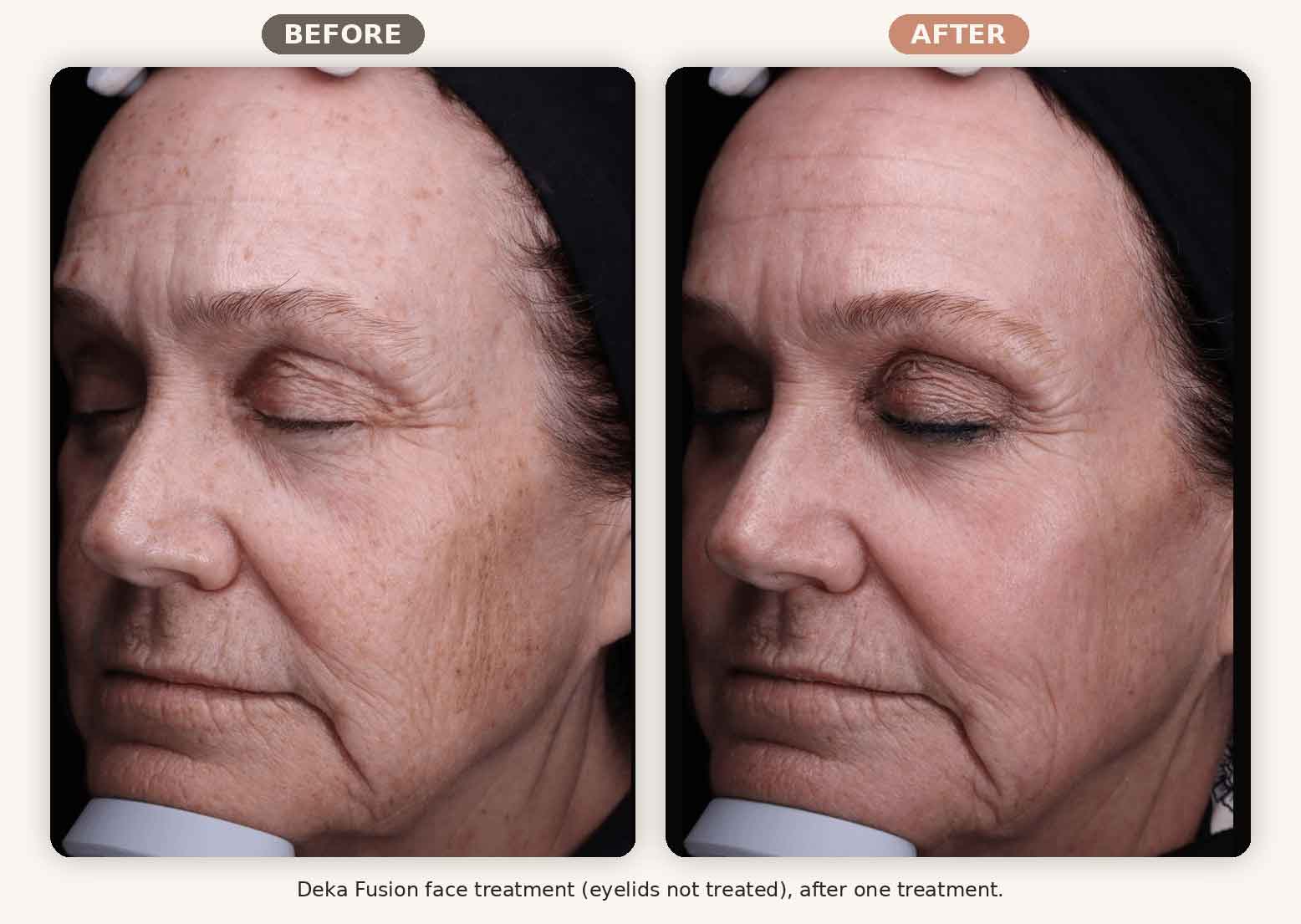
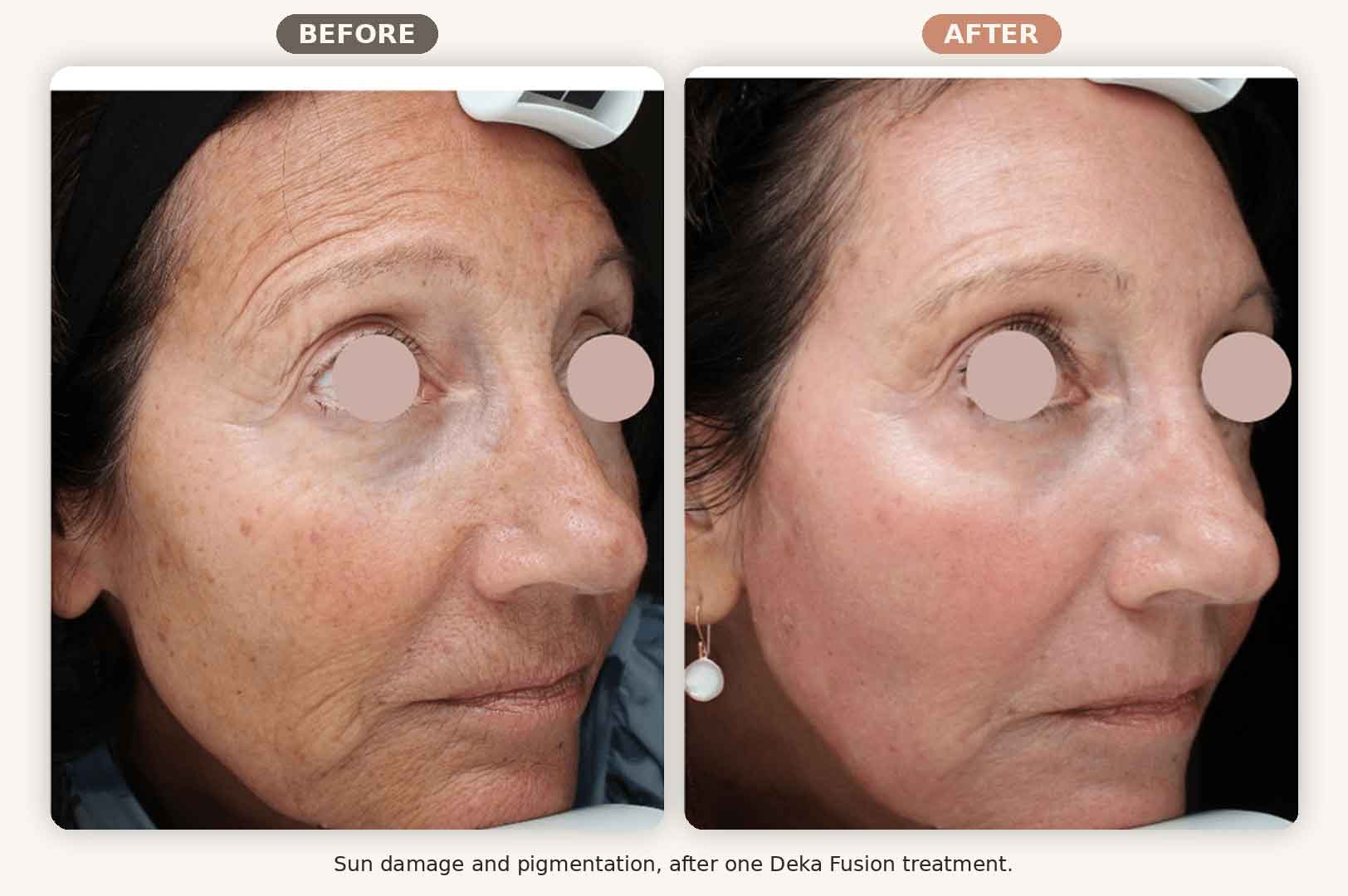
Individual results may vary.
Collagen loss FAQ
With a free consultation. Collagen loss shows up differently for everyone, so we look at your skin in person, talk through your goals, and build a personalized plan. Book your consultation here.
Yes. While you cannot add collagen directly to the skin, your body can produce new collagen when prompted. Treatments like Helix CO2 resurfacing and Sculptra stimulate that process, so your skin rebuilds its own collagen over the weeks and months that follow.
Topical collagen cannot rebuild the deep collagen in your skin, though good medical-grade products with vitamin C, retinoids, and SPF help protect and preserve it. A protein-rich diet supports production too. For rebuilding structural collagen, in-office treatments that stimulate your own skin are far more effective.
Some smoothing and tightening can show within days, but collagen-building treatments keep improving over weeks and months as new collagen forms. Many patients say their skin looks its best a few months after a resurfacing treatment.
Daily sun protection is the single most powerful habit, since UV exposure is the biggest external cause of collagen breakdown. Beyond that: use medical-grade skincare with vitamin C and retinoids, eat protein and antioxidant-rich foods, limit sugar, and do not smoke.
Neither, in most cases. Prevention and maintenance can begin in your 20s and 30s, and skin can build new collagen well into later decades. The right starting point is whatever your skin needs now, which we figure out together.
Rebuild your skin from within
Collagen loss is treatable, and the best results come from a plan built around your skin. Let us assess where you are and map out a personalized approach with the right combination of treatments.
Consultations are complimentary. We will help you find the right plan for your skin.